
CIOReview Europe Weekly Brief
Be first to read the latest tech news, Industry Leader's Insights, and CIO interviews of medium and large enterprises exclusively from CIOReview Europe
A featured contribution from Leadership Perspectives: a curated forum reserved for leaders nominated by our subscribers and vetted by the CIOReview Advisory Board.

Chief Architect and Data Officer at Westminster City Council
Toward a Truly Sustainable Lifestyle
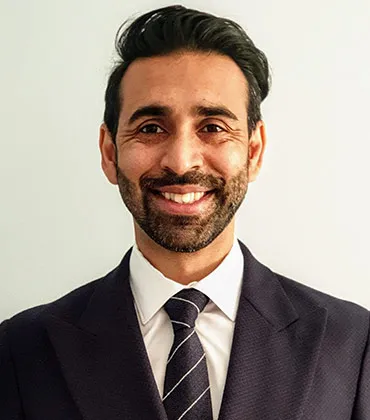
It would be great if you could elaborate on your role in the organization.
I have gained over 20 years of expertise in bringing innovative projects and services to market in a variety of industries, including telecommunications, manufacturing, retail, and utilities. My primary focus is on digital transformation and the use of technology to either improve profitability and customer experience or enter new industries.
I am currently the chief architect and data officer for Westminster City Council, a public sector institution, and this is my first job in this domain. Prior to this, I solely held CXO positions in the private sector. I joined Westminster City Council to help shape the emerging breakthroughs in smart city transformation and promote a smarter way of living.
What are some prevalent challenges while transforming a city or landscape to incorporate sustainable practices or developing a smart city as a whole?
Many hurdles emerge while discussing change and harnessing technology to create better socioeconomic and environmental outcomes. The first obstacle is structural, as organizations, particularly those in the public sector, were built on the prior economic paradigm. So a barrier or silo exists due to department hierarchies and a lack of communication across different departments. Yet, from an outsider's perspective, the error is not assigned to a particular department and is perceived as the responsibility of the entire council.
The second limitation is related to organizational culture and the issue of providing constant innovation and development for individuals in operational roles. On a daily basis, these personnel are preoccupied with tasks, making it difficult to devote time to development and innovation, and subsequently arrange product deliveries in the pipeline.
Finally, complexity is another persistent hurdle as operating in the public sector requires seamless collaboration with numerous stakeholders. Amid this backdrop, the role of Westminster City Council is primarily to support corporate growth, collaborate with partners to offer council services and bring all the stakeholders in concert to shape the infrastructure needed for a smart city to function effectively.
What are some of the technologies that are assisting you in developing digitally-powered smart cities?
When it comes to smart cities, the primary emphasis is on data—collated from IoT, devices, and sensors, along with internal and customer data, which is made available through APIs so that enterprises may build goods and services for the community. API management systems provide safe and secure transfer of organizational data both within and outside the organization. This allows them to track the data catalogue, use the appropriate APIs, and understand how other external companies use those APIs to build customer engagement apps.
From the standpoint of digital transformation, taking a citizen-centric approach and providing best-in-class citizen experiences are critical to building smart cities. This is where customer management tools, relationship management platforms, and gauging a citizen's omnichannel experience take centre stage in order to develop an overview of the citizens' preferences and accordingly roll out services.
How do you bring forth citizens of a particular area to take part in digital transformation, such as a smart city or any current project?
Bringing citizens ahead is a two-pronged problem that requires the involvement of a diverse group of people and stakeholders from all demographics. On the one hand, the problem is ensuring that citizens are comfortable with how their data is used. The goal is to include them, create solutions that meet their expectations, and use their data to their advantage. It is critical to creating a community of residents to guide and manage urban transformation. To that end, we always focus on engaging citizens while researching to better understand their needs and deliver trip mapping and other tailor-made customer experiences. Only by building and testing these digital services can a council ensure high-quality smart city services for its clients.
